


What causes crooked teeth and how to fix them
What causes crooked teeth and how to fix them
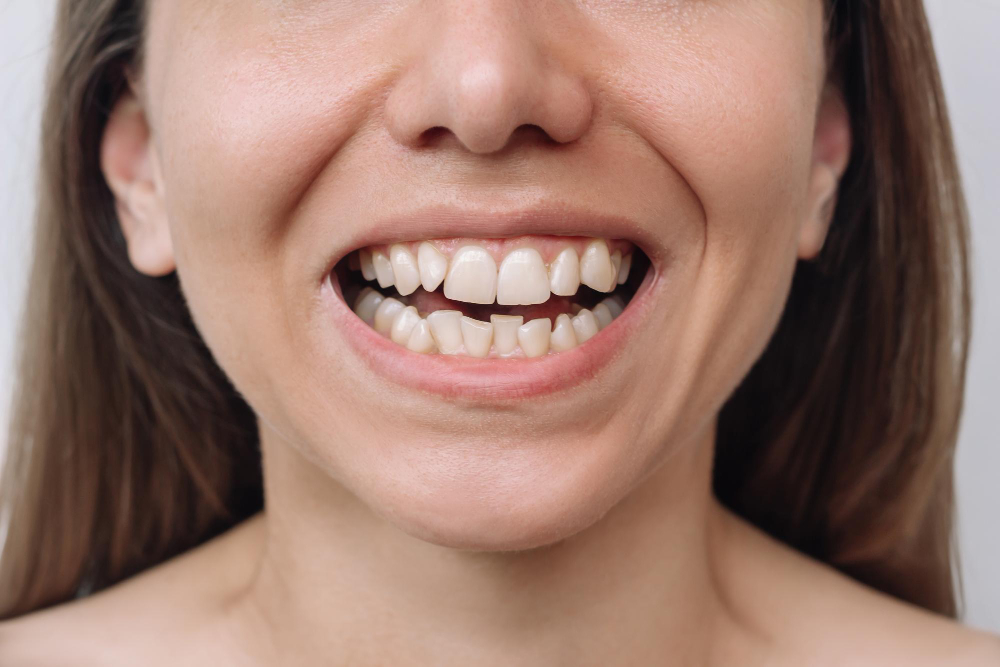
You might notice it when you smile in a photo or catch your reflection in good lighting. A tooth slightly out of place, a bit of crowding, or a smile that’s changed over time. Crooked teeth are incredibly common and often nothing to worry about, but it’s also natural to want them straighter. For some people, it’s about comfort or easier cleaning. For others, it’s simply about feeling more confident when they smile.
The good news is that there are several safe, effective ways to straighten teeth today. From traditional orthodontics to newer, more discreet options like clear aligners, treatment has become faster, simpler, and easier to fit into everyday life.
In this blog, we’ll look at why teeth become crooked, when it’s worth fixing them, and the different ways you can bring your smile back into line.
What causes crooked teeth?
Crooked teeth can develop for many reasons, often starting in childhood but continuing as we age. In most cases, it’s a mix of genetics, jaw growth, and everyday habits that affect how teeth sit and move over time.
Common causes of crooked teeth include:
Genetics: inherited jaw size, tooth shape, or crowding patterns.
Habits: thumb sucking, extended dummy or bottle use, or tongue thrusting.
Jaw development: smaller jaws from softer modern diets can lead to overcrowding.
Tooth loss or injury: missing or damaged teeth can cause others to shift.
Poor dental care or gum disease: can loosen teeth and affect alignment.
How to know if you need treatment
Not all misaligned teeth need straightening. Some people have small overlaps or slight twists that don’t cause any problems. But in other cases, misalignment can affect how your teeth function, how easy they are to clean, and even how confident you feel when you smile.
You might consider treatment if you:
- Find it difficult to brush or floss certain teeth
- Notice uneven wear, jaw tension, or clicking when you chew
- Feel self-conscious about the way your teeth look
An orthodontist or dentist can assess whether treatment is cosmetic, functional, or both. Even small changes in alignment can make a difference to your bite and long-term oral health.
If you’re unsure where to start, you can take our free Smile Quiz to see what kind of straightening options could work for you.
How to fix crooked teeth
There’s no single way to fix crooked teeth, since the right treatment method depends on your bite, the position of your teeth, and what matters most to you.
Traditional metal braces
Traditional braces use brackets and wires to guide your teeth into position over time. They remain one of the most effective options for complex misalignments, but require regular in-clinic visits and can take 18 to 24 months to complete.
Ceramic or lingual braces
Ceramic braces work much like metal ones but use tooth-coloured brackets that blend in more naturally. Lingual braces attach to the back of the teeth, making them almost invisible, though they can take time to adjust to and are harder to clean.
Clear aligners

Clear aligners use a series of custom-made, removable trays that gradually shift your teeth into place. They’re discreet, easy to remove for eating or brushing, and designed for everyday comfort.
Most Dr Wondersmile treatments take around six months on average, with results monitored by licensed orthodontists through our mobile app. You’ll start with a 3D scan at one of our clinics, then receive your aligners delivered to your door.
Cosmetic options
For mild cosmetic concerns, treatments such as veneers or dental bonding can improve the look of slightly crooked teeth. However, they don’t correct the underlying alignment, so they’re best suited to small aesthetic changes rather than functional fixes.
Do crooked teeth get worse with age?
Teeth don’t stop moving once you’re an adult. Even after braces or years of straight teeth, small shifts can happen naturally as you get older. The jaw can narrow slightly over time, gum support can change, and everyday habits like grinding or mouth breathing can slowly push teeth out of line.
For some people, those changes are barely noticeable. For others, crowding or overlapping can gradually increase, making it harder to clean between teeth or feel fully comfortable when they smile.
That’s why orthodontic treatment isn’t just for kids or teens. Clear aligners make it possible to straighten or fine-tune your teeth at almost any age without the metal brackets or long clinic visits that used to come with it.
Why more teens and adults are choosing clear aligners
Clear aligners have changed the way people straighten their teeth. For many teens and adults, they offer the same results as braces without the lifestyle compromises that used to come with them.
Because they’re removable and almost invisible, aligners fit easily into daily life with no food restrictions, no brackets to clean around, and no metal in sight. You can take them out to eat, brush, or play sports, then put them straight back in. Most people find they adjust quickly and forget they’re even wearing them.
Aligners also work well for busy schedules. With Dr Wondersmile, treatment starts with a 3D scan at one of our clinics, followed by remote progress tracking through the mobile app. You get orthodontist oversight and real results, minus the monthly chair time.
Ready to fix your crooked smile?

Crooked teeth are common, but that doesn’t mean you have to live with them if they’re bothering you.
If you’re ready to explore your options, you can learn more about our crooked teeth treatment and how clear aligners can help you achieve a straighter, more balanced smile. It all starts with a quick 3D scan at one of our clinics, where you’ll see a digital preview of your results before you commit.
Straightening your teeth doesn’t have to be complicated or go on for years. Take the first step today.